Key Elements of a Polypropylene Strapping Kit Explained

One of the most significant factors that contributes to smooth operations at the warehouse is effective packaging. When teams are occupied too long finding pallets or locating tools, productivity declines and delays accumulate. That is why a lot of warehouses have turned to the , a sistrapping kitsmple, one-size-fits-all solution that will help to maintain the pace constant and unchanged.
Them Pallet wrapping can be complicated, which impacts efficiency and costs. Understanding what to do and what not to do is vital for a busy warehouse. Poor wrapping practices more often result in problems, but practical, actionable tips can improve wrapping effectiveness. Primary elements that will set the pace for pallet wrap stability are the proper selection of stretch film and consistent application of the same.
Businesses of all varieties are increasingly sensitive to the environmental impact of their packaging material. As companies move toward green supply chains, one question comes up again and again: Is polypropylene strapping an environmentally friendly option? No packaging material is perfect, but polypropylene strapping boasts a number of sustainability advantages that make it a responsible choice for many operations when used correctly. Recyclability of Polypropylene Strapping The most compelling sustainability advantage of Polypropylene Strapping is that it is recyclable. Polypropylene is classified as Plastic No. 5 (PP), and therefore is highly recyclable in most areas. If appropriately collected, sorted out, and processed, the material can be converted into new products ranging from automotive parts to containers, garden tools, and even new strapping material. Lower Carbon Footprint Compared to Alternatives Compared to other strapping materials in general and steel in particular, Polypropylene strapping is an environmentally friendly option. Producing steel is highly energy-intensive and results in high volumes of carbon dioxide. The energy consumption to produce polypropylene, on the other hand, is much smaller, and due to its light weight, fuel consumption in transport is reduced. Even when compared to PET strapping, PP generally has a much lower environmental impact. For heavy loads, PET is stronger, but it usually consumes more resources in its production. Reusable in Specific Applications While plastic strapping is generally understood to be a single-use product, sometimes it can be reused under certain conditions, for instance, in internal logistics, where the load is moved around within the same place. The reusing of such strapping extends its life cycle and further minimizes the demand for new material. Further, advances in strapping technology are in the direction of offering stronger and resilient polypropylene options that resist breakage, allowing users to utilize fewer straps per load and thereby indirectly achieving waste reduction. Earth-Friendly Handling and Solid Waste Reduction Practices The use of Polypropylene Strapping should be combined with proactive strategies to reduce waste for maximum sustainability of the companies. This may include: The implementation of a collection system for used strapping at warehouses and delivery points. Training of personnel on proper cutting and disposal for maintaining clean and recyclable straps. It helps avoid over-strapping and minimizes material usage since it provides accurate tension when using a strapping machine. Using high-quality strapping from reliable manufacturers reduces breakages and wastage. By following these practices, any company can substantially reduce the environmental impact of packaging operations. Is Polypropylene Strapping Actually Eco-Friendly? While no plastic product will ever be truly sustainable, of all the products in packaging, polypropylene strapping is the most environmentally responsible. The fact that it can be recycled, production energy is reduced, it is light in weight, and can be reutilized makes it greener compared to many other strapping materials. With appropriate sustainability practices put in place, companies can confidently incorporate plastic strapping into an environmentally conscious packaging strategy without compromising performance. Source - https://graph.org/Sustainability-Practices-Is-Polypropylene-Strapping-Eco-Friendly-11-20
Good packaging plays an essential role across retail businesses and other entities to ensure their safety, shelf life, and customer satisfaction. To integrate all of these aspects, polythene is often used in businesses that are directly connected to manufacturing, logistics, and e-commerce. These businesses extensively rely on plastic strapping because it allows a seamless way to secure goods while delivering to customer's homes or offices.
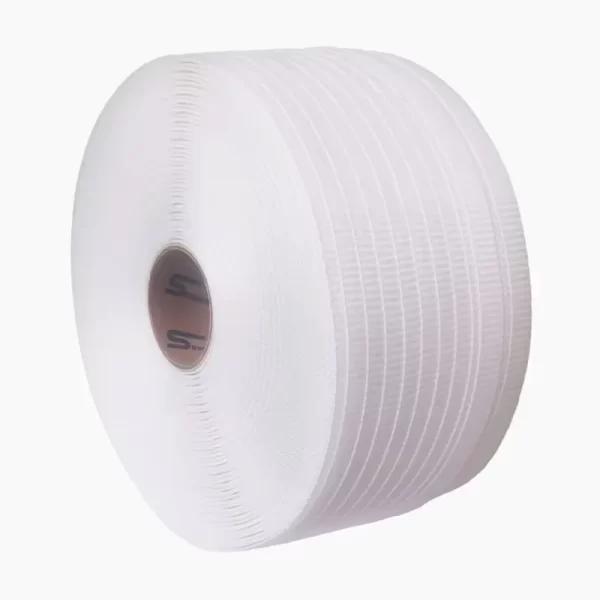
Packaging efficiency and logistics are about more than having robust strapping material. The availability of the appropriate tools and accessories is what makes things faster, more accurate, and, overall, better. Those businesses that use woven polyester strapping kits find the task to be more precise and more dependable when supported with proper equipment such as buckles, tensioners, and dispensers. Each of the accessories has a purpose in securing the load, eradicating human errors, and simplifying the packaging operation, making it faster and safer.